
Introduction: The Magic of the “Palta”
There’s a quiet secret in the world of Latin American cuisine: not all avocados are called the same thing. In Mexico and much of Central America, it’s aguacate. But head south into Peru, Chile, Argentina, or Bolivia, and you’ll hear a different word—palta. That single word signals something deeper than language. It hints at a culinary tradition where avocado isn’t just an add-on, but the star.
If you’ve ever searched for the “best ensalada con palta near me,” you’ve probably been disappointed. Too often, you get a generic salad—lettuce, a few pale avocado slices, and bottled dressing. It looks healthy, but it lacks soul, balance, and authenticity.
This guide changes that. You’ll learn how to recognize real ensalada con palta, understand its regional variations, and discover exactly how to find restaurants near you that serve it the way it’s meant to be—fresh, vibrant, and deeply rooted in South American tradition.
Linguistic Clues: Why the Word “Palta” Changes Your Search Strategy
The word palta comes from the Quechua language, spoken by Indigenous communities across the Andes. Over time, it became the everyday term for avocado in countries like Peru and Chile. But beyond history, this word acts like a culinary filter.
When you search using “avocado salad,” you enter a broad, global category. That includes everything from American café bowls to Mediterranean mixes. But when you search for palta, you narrow your results to a very specific culinary world—South American kitchens that treat avocado with precision and respect.
This small shift changes everything. Instead of chain restaurants or fusion spots, you start discovering hidden gems—Peruvian bistros, Chilean eateries, and Argentine parrillas. These places don’t just include avocado; they build dishes around it.
Another key detail is how menus are written. Authentic restaurants often keep original Spanish terms. If you see words like palta, palmitos, or limón, it’s a strong sign the kitchen stays true to its roots. These aren’t just translations—they’re signals of authenticity.
So next time you search for the best ensalada con palta near me, don’t just rely on generic keywords. Use the language of the cuisine. It’s the fastest way to find the real thing.
The Grand Tour: Regional Styles to Look For on a Menu
The Chilean Crown Jewel: Palta Reina
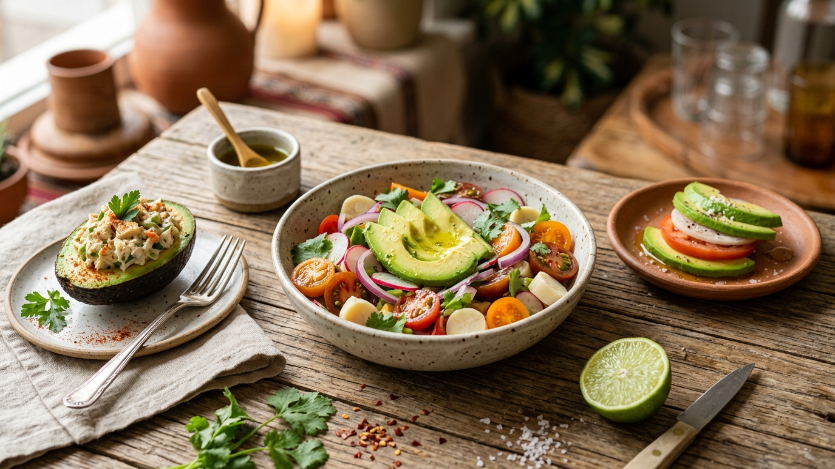
One of the most iconic dishes you’ll encounter is Palta Reina. This Chilean classic transforms a simple avocado into a centerpiece. A ripe palta is halved and filled with a creamy chicken salad made with mayonnaise, mustard, and a touch of lime.
What makes it special is balance. The richness of the avocado blends with the savory filling, while citrus adds brightness. It’s chilled, elegant, and often served as a starter in traditional Chilean restaurants.
When scanning menus, this is a must-order. It’s not just a salad—it’s a complete dish that showcases how versatile palta can be.
The Peruvian Elegance: Ensalada de Palmitos y Palta
Peruvian cuisine is known for clean flavors and fresh ingredients, and this salad is a perfect example. Ensalada de Palmitos y Palta combines creamy avocado cubes with tender hearts of palm, crisp radishes, and dark olives.
The dressing is simple—just lime juice and high-quality olive oil. There’s no heavy sauce masking the flavors. Instead, each ingredient shines on its own.
This dish feels light yet satisfying. It’s often served alongside seafood or grilled dishes, making it a refreshing contrast to richer mains.
The Chilean Crisp: Ensalada de Apio con Palta
This version might surprise you. Ensalada de Apio con Palta pairs thinly sliced celery with soft avocado. The crunch of celery creates a sharp contrast to the buttery texture of palta.
Often, toasted walnuts are added for extra depth. A light citrus dressing ties everything together, keeping the salad bright and refreshing.
It’s a reminder that great food doesn’t need complexity. Sometimes, the best dishes rely on just a few ingredients done perfectly.
The Andean Classic: Palta, Tomate, y Cebolla
Across Argentina and Bolivia, you’ll find a minimalist approach. Thick slices of avocado are layered with ripe tomatoes and thinly shaved onions.
There’s no heavy dressing—just salt, a splash of vinegar or lime, and sometimes olive oil. The richness of the palta acts as the base, while tomatoes add sweetness and onions bring sharpness.
This style is often served as a side dish, especially with grilled meats. It cuts through heaviness and refreshes the palate.
Comparison Table: Regional Palta Salad Styles
| Style | Country of Origin | Base Ingredients | Dressing Profile | Texture Experience |
|---|---|---|---|---|
| Palta Reina | Chile | Avocado, chicken salad, mayo | Creamy with citrus notes | Soft, rich, filled |
| Ensalada de Palmitos y Palta | Peru | Avocado, hearts of palm, olives | Light lime and olive oil | Creamy with crisp elements |
| Ensalada de Apio con Palta | Chile | Avocado, celery, walnuts | Fresh citrus | Crunchy and buttery |
| Palta, Tomate, y Cebolla | Argentina/Bolivia | Avocado, tomato, onion | Minimal, acidic | Juicy, fresh, balanced |
Anatomy of a Perfect Palta Salad
A truly great ensalada con palta starts with one thing: perfect ripeness. The avocado should feel slightly soft when pressed but still hold its shape when sliced. If it’s too firm, it lacks flavor. Too soft, and it becomes mushy.
Most authentic kitchens prefer Hass paltas because of their rich, buttery texture. However, in some regions, larger green varieties are used. These are lighter and slightly less creamy, offering a different but equally enjoyable experience.
Acidity is the next key factor. Because palta is high in healthy fats, it needs a sharp contrast. Fresh lime juice is the most common choice, adding brightness and preventing the avocado from oxidizing.
Texture also plays a major role. A great salad never feels one-dimensional. You should get creaminess from the avocado, crunch from vegetables like celery or onion, and sometimes a soft bite from ingredients like hearts of palm.
Finally, simplicity matters. Authentic dishes avoid heavy dressings. If a salad is drowning in sauce, it’s usually a sign it’s not traditional.
Local Discovery Playbook: Finding “Palta” Near You
Finding the best ensalada con palta near me requires more than just typing a search term. You need a strategy.
Start by targeting the right cuisine. Look specifically for Peruvian, Chilean, or Argentine restaurants. These are the places where palta is treated as a central ingredient, not an afterthought.
Next, read reviews carefully. Don’t just look at star ratings. Scan for specific words like palta, palmitos, or limón. When customers mention these details, it usually means the restaurant serves authentic dishes.
Menus also give clues. Check the appetizer or side dish section, often labeled as acompañamientos. That’s where you’ll typically find ensalada con palta listed. In many South American meals, these salads are designed to complement heavier dishes like grilled meats or fried seafood.
Another tip is to look at photos shared by customers. Authentic palta salads have a clean, simple presentation. You’ll see thick avocado slices, fresh ingredients, and minimal dressing.
Finally, don’t hesitate to ask. When ordering, ask the staff what style of palta salad they serve. This small step can turn a good meal into a memorable one.
Conclusion & The Ultimate Ordering Tip
A well-made ensalada con palta is more than just healthy food. It’s a celebration of balance, freshness, and cultural tradition. Each region brings its own touch, from the creamy richness of Palta Reina to the bright simplicity of tomato and onion salads.
When searching for the best ensalada con palta near me, remember that authenticity lies in the details. Look for the word palta, seek out regional restaurants, and pay attention to ingredients.
And here’s the ultimate tip: always ask how the dish is prepared. That one question ensures you’re not just ordering a salad—you’re experiencing a true taste of South America.
