
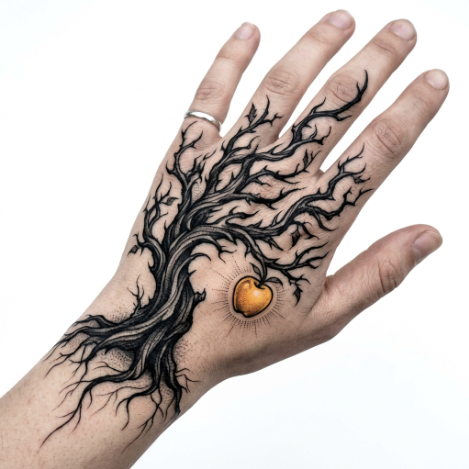
The Origin of Poison Tree Tattoo Meaning
The poison tree tattoo meaning is deeply rooted in literature, specifically inspired by William Blake’s 1794 poem A Poison Tree. This poem explores the hidden dangers of suppressed anger and how unresolved emotions can grow into something destructive over time. When translated into tattoo art, the concept becomes a striking visual metaphor that speaks to emotional depth, internal conflict, and personal awareness. The tree itself represents something that starts small but grows stronger when fed with secrecy and negativity.
In modern tattoo culture, this symbolism has evolved into a powerful personal statement. People who choose a poison tree tattoo often resonate with its message of emotional honesty and self-reflection. Rather than simply being a dark or gothic design, it represents a journey—one that acknowledges past struggles while striving for growth. The origins of this tattoo remind us that emotions, when ignored, do not disappear; they transform and take root within us, shaping our thoughts and actions in subtle yet impactful ways.
Suppressed Rage and Emotional Growth
At its core, the poison tree tattoo meaning revolves around the concept of suppressed rage. The imagery of a tree growing from hidden anger reflects how emotions, when buried, do not fade away but instead intensify. Just like a tree nourished by water and sunlight, anger can grow stronger when it is “watered” with tears and “fed” with fears. This symbolism serves as a warning about the consequences of ignoring emotional truth and avoiding confrontation.
However, the tattoo does not only represent negativity. It also carries a message of emotional growth and self-awareness. By recognizing the dangers of suppressed emotions, individuals can learn to express themselves more openly and honestly. Many people choose this tattoo as a reminder to face their feelings rather than hide them. In this way, the poison tree becomes not just a symbol of pain, but also a guide toward healing and emotional balance.
The Meaning Behind the Forbidden Fruit Symbol
One of the most iconic elements associated with the poison tree tattoo meaning is the presence of a glowing or “bright apple” hanging from its branches. This fruit symbolizes temptation and the consequences of hidden negativity. Much like the concept of forbidden fruit, it represents something that appears beautiful and appealing on the surface but carries deeper, often dangerous implications. The apple becomes a visual representation of how unresolved emotions can manifest in ways that affect both the individual and those around them.
The fruit also highlights the idea of consequences. When anger and resentment are left unaddressed, they can lead to actions or decisions that have lasting effects. This symbolism adds another layer of depth to the tattoo, making it more than just an aesthetic choice. It becomes a reminder of accountability and awareness, encouraging individuals to reflect on their actions and the emotional roots behind them. The apple, therefore, is not just a decorative element—it is a powerful symbol of cause and effect.
Consequences of Emotional Secrecy
The poison tree tattoo meaning strongly emphasizes the consequences of emotional secrecy. Keeping feelings hidden, especially negative ones, can create internal tension that eventually manifests in harmful ways. Just as a tree grows silently over time, hidden emotions develop beneath the surface until they become impossible to ignore. This concept resonates with many people who have experienced the effects of bottling up their feelings, whether in relationships, personal struggles, or past trauma.
By choosing this tattoo, individuals often acknowledge the importance of emotional transparency. It serves as a personal reminder that honesty, even when difficult, is essential for mental and emotional well-being. The design acts as a symbol of lessons learned, encouraging a more open and authentic approach to life. Instead of allowing negativity to grow unchecked, the tattoo represents a conscious effort to address emotions in a healthy and constructive way.
Self-Healing and Personal Transformation
While the poison tree tattoo meaning is rooted in darker themes, it also carries a powerful message of self-healing and transformation. For many, the tattoo represents a turning point—a moment when they chose to confront their inner struggles and begin the process of healing. The tree, once a symbol of negativity, can also represent resilience and the ability to grow beyond past pain.
This transformation is an essential aspect of the tattoo’s meaning. It reflects the idea that even the darkest experiences can lead to personal growth and self-discovery. By embracing their past and learning from it, individuals can turn negative energy into something constructive. The poison tree becomes a symbol of strength, reminding the wearer that healing is possible and that growth often comes from the most challenging experiences.
Cultural Influence and Modern Interpretations
In recent years, the poison tree tattoo meaning has gained popularity in modern culture, especially through its association with artists and public figures. One notable influence comes from the late rapper XXXTentacion, who had a tree tattoo that many fans interpret as a symbol of inner struggle and emotional complexity. This cultural connection has helped bring the design into mainstream awareness, giving it new layers of meaning for a younger audience.
Today, the tattoo is often seen as a representation of personal battles, mental health awareness, and the journey toward self-improvement. It resonates with individuals who have faced adversity and are working to overcome it. The modern interpretation of the poison tree tattoo goes beyond its literary origins, evolving into a universal symbol of emotional depth and resilience. It reflects the changing ways people express their inner experiences through art and body modification.
Design Variations and Their Meanings
The poison tree tattoo meaning can vary depending on the design elements included. One popular variation features birds perched on or flying away from the tree. These birds often symbolize freedom, hope, and the ability to rise above negativity. They add a sense of contrast to the otherwise dark imagery, suggesting that even in difficult situations, there is always a possibility for growth and escape.
Another common variation includes a single fruit or thorny branches. These elements emphasize the idea of consequences and the hidden dangers beneath beauty. A leafless or dead tree, on the other hand, focuses more on themes of emotional struggle and the end of negativity. Each variation adds a unique layer of meaning, allowing individuals to personalize the tattoo according to their own experiences and perspectives. This versatility is one of the reasons why the poison tree tattoo remains so popular.
Psychological Perspective of the Symbol
From a psychological standpoint, the poison tree tattoo meaning reflects the impact of suppressed emotions on mental health. Studies and theories in psychology often highlight the importance of emotional expression and the dangers of repression. When feelings such as anger, jealousy, or sadness are not acknowledged, they can lead to stress, anxiety, and even destructive behavior. The tattoo serves as a visual representation of these concepts, making it both meaningful and educational.
For many, wearing this tattoo is a way of embracing self-awareness. It acts as a constant reminder to check in with one’s emotions and address them before they grow into something harmful. The psychological aspect adds depth to the tattoo, transforming it into more than just a piece of art. It becomes a tool for reflection and personal growth, encouraging a healthier approach to emotional well-being.
Why People Choose This Tattoo
People choose the poison tree tattoo for a variety of reasons, but most are drawn to its powerful symbolism. It resonates with those who have experienced emotional struggles, unresolved conflicts, or personal growth journeys. The tattoo allows them to express these experiences in a meaningful and artistic way. It is not just about the design itself, but the story behind it and the message it conveys.
Additionally, the tattoo appeals to those who appreciate literary references and deeper meanings. The connection to William Blake’s poem adds an intellectual and historical dimension to the design. For some, it serves as a reminder of lessons learned, while for others, it represents a commitment to emotional honesty and self-improvement. Regardless of the reason, the poison tree tattoo is a deeply personal choice that reflects individuality and introspection.
Conclusion: The Lasting Meaning of a Poison Tree Tattoo
The poison tree tattoo meaning is a complex and deeply symbolic concept that combines elements of literature, psychology, and personal experience. It represents the dangers of suppressed anger, the consequences of emotional secrecy, and the potential for growth and healing. Through its imagery of a tree and its toxic fruit, the tattoo tells a powerful story about the human experience and the importance of emotional awareness.
Ultimately, this tattoo is not just about darkness or negativity. It is about understanding, growth, and transformation. It serves as a reminder that emotions, when acknowledged and expressed, can lead to positive change. By embracing the lessons behind the poison tree, individuals can move forward with greater clarity and strength. This makes the tattoo not only visually striking but also deeply meaningful, offering a timeless message that continues to resonate with people across different cultures and generations.
